An Overloaded Diesel Particulate Filter is Expensive.

The cost-effective alternative to replacing the particulate filter.

What is a DPF?

The diesel particle filter (DPF), also known as soot particle filter or simply particle filter, has the task of filtering health-endangering particles out of the exhaust system. In addition, the particle filter burns the soot that has collected on the filter pockets.

This soot burn-off depends on the respective operating conditions, the different driving cycles and the individual engine exhaust concept of the automobile manufacturer. In order to comply with emissions standards, the diesel particulate filter (DPF) is used on vehicles with a diesel engine.

If the particle filter is clogged...

It can quickly become very expensive. Customers have to dig deep into their pockets to replace a diesel particulate filter.

The Cost of Replacement

New DPF units in India cost between ₹40,000 to ₹1,50,000 depending on the car model. For example, replacing the DPF in a Kia Seltos diesel can cost around ₹1.5 lakh including labour.

Vehicle Type Approximate Cost (Replacement)
Small diesel cars (Maruti, Hyundai, Tata, etc.) ₹40,000 – ₹80,000
Mid-size SUVs / premium models ₹80,000 – ₹1,20,000
High-end or complex systems ₹1,20,000 – ₹1,50,000+

In contrast, cleaning the particle filter with the DRIVELINE solution is an extremely cost-effective and inexpensive alternative.

Why Us

The DRIVELINE Solution

Cleaning Instead of Replacement

Makes for customer satisfaction

DPF is back at work quickly

No expensive removal required

Technically approved by leading makers

Enormous cost savings

Proven over a quarter of a million times

Preventive measures that keep your clients mobile long term

Symptoms and problems of clogged DPF
01

Symptoms and Problems

An increasing loading of the particle filter without regular regeneration leads to a blockage of the component. The consequences are:

  • Loss of engine power
  • Increasing fuel consumption
  • Suboptimal throttle response
Application and effect of DPF cleaning
02

Application and Effect

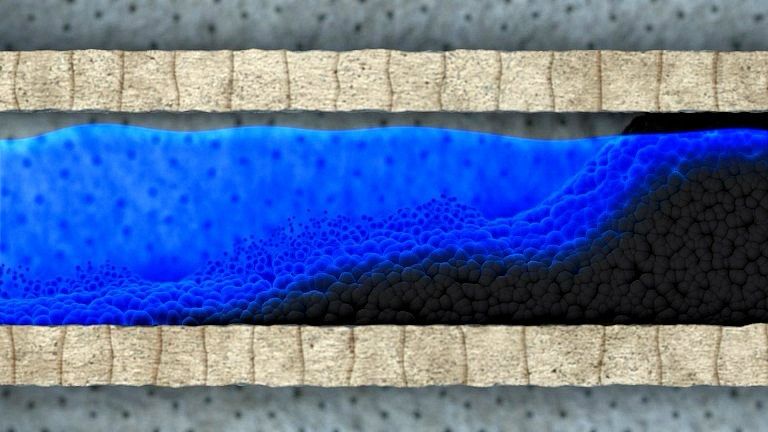
Instead of replacing it, the particle filter is cleaned when it is installed:

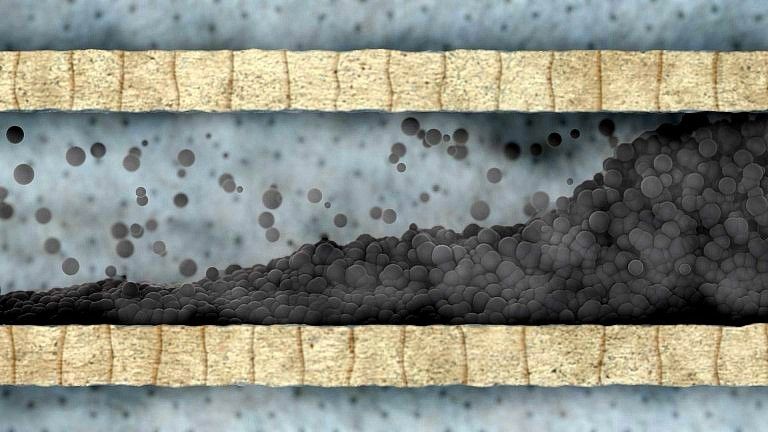
  • The cleaning fluid dissolves the deposits on the component.
  • The neutralising solution ensures the complete removal of particles that are not transported away.
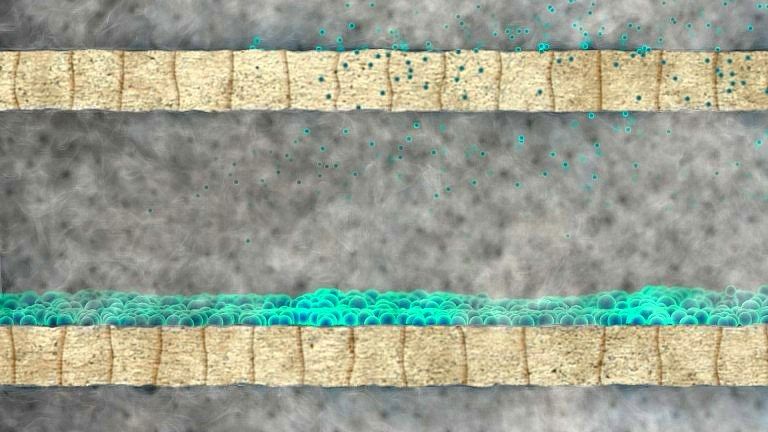
Result of DPF cleaning
03

Result of the DPF Cleaning

The use of cleaning fluid and rinsing solution enables a subsequent regeneration in which the soot deposits are burned to CO₂.

  • There is no additional burden on the environment.
  • The particle filter is fully functional again after cleaning.

Direct Comparison of Cleaning the DPF

Before

The warning light is lit on the dash, the vehicle has limited power or in limp mode, and an extremely high fuel consumption? The diesel particulate filter has only a limited capacity to store particulates.

From a certain amount of soot, the soot particles must be burned in a regeneration process to CO₂ and ashes. Different causes mean that the regeneration process does not start and consequently the DPF gets clogged with soot particles.

Cleaning

Remove the pressure sensor or disconnect the filter from exhaust pipe and insert the probe into the opening with the direction of spray pointed towards the particulate filter.

Flush out the particulate filter after cleaning using the flushing concentrate. Reinstall the pressure sensor or assemble the filter to the exhaust pipe and allow the engine to run with varying speeds for approx. 15 minutes. At the end perform a test drive of at least 30 minutes and start the filter regeneration manually using the tester, if necessary.

After

TUNAP is the first manufacturer to have developed a patented particulate filter cleaning system with which clogged particulate filters can be cleaned in an installed condition, rapidly, simply and significantly more economically than replacing them.